
A cold shower from a gas water heater usually means one thing: the burner is not firing, and something told it not to. Gas heaters are built around safety. The control valve will not open unless a thermocouple or flame sensor proves there is a flame, and many models lock out if the flame arrestor screen at the bottom gets clogged or the heater senses spilled exhaust. So the real question is which safety did its job, and why. Across St. Augustine, FL, the answer is most often a worn thermocouple, a dirty pilot or burner, a lint-choked air intake, a failing gas valve, or a vent that is no longer drafting properly.
Every gas water heater call starts with safety and then moves to testing. If you ever smell gas, leave the home first, call the gas utility from outside, and do not operate switches or try to relight anything. Once the area is safe, our St. Augustine technicians work through the heater systematically: millivolt readings on the thermocouple, a close look at the pilot and main burner flames, gas pressure at the control valve, a draft test to make sure exhaust is not spilling back, and a CO check around the appliance. Scorch marks at the burner access, rust flakes on the burner, and a lazy yellow flame each point to a different problem, and we chase down the right one.
Once we know the cause, the repair is usually simple. A new thermocouple or flame sensor, a cleaned pilot tube and burner, a cleared flame arrestor screen, or a replacement gas control valve gets most heaters running again the same day. Vent problems, like a disconnected connector or a flue pipe without enough rise, are corrected on the spot. If sediment is rumbling in the tank, we flush it, and if the anode rod is spent, we can replace it. When replacement is the smarter move, we install new gas heaters sized to your household's first-hour demand, with proper atmospheric, power vent, or direct vent venting, a drip leg on the gas supply, and the expansion tank, drain pan, and strapping your local code calls for. Is your gas water heater acting up? Call (904) 335-6364 today.
Most of our service calls are for Water Heater Repair in St. Augustine and Water Heater Installation in St. Augustine. Start there if you're not sure what you need.
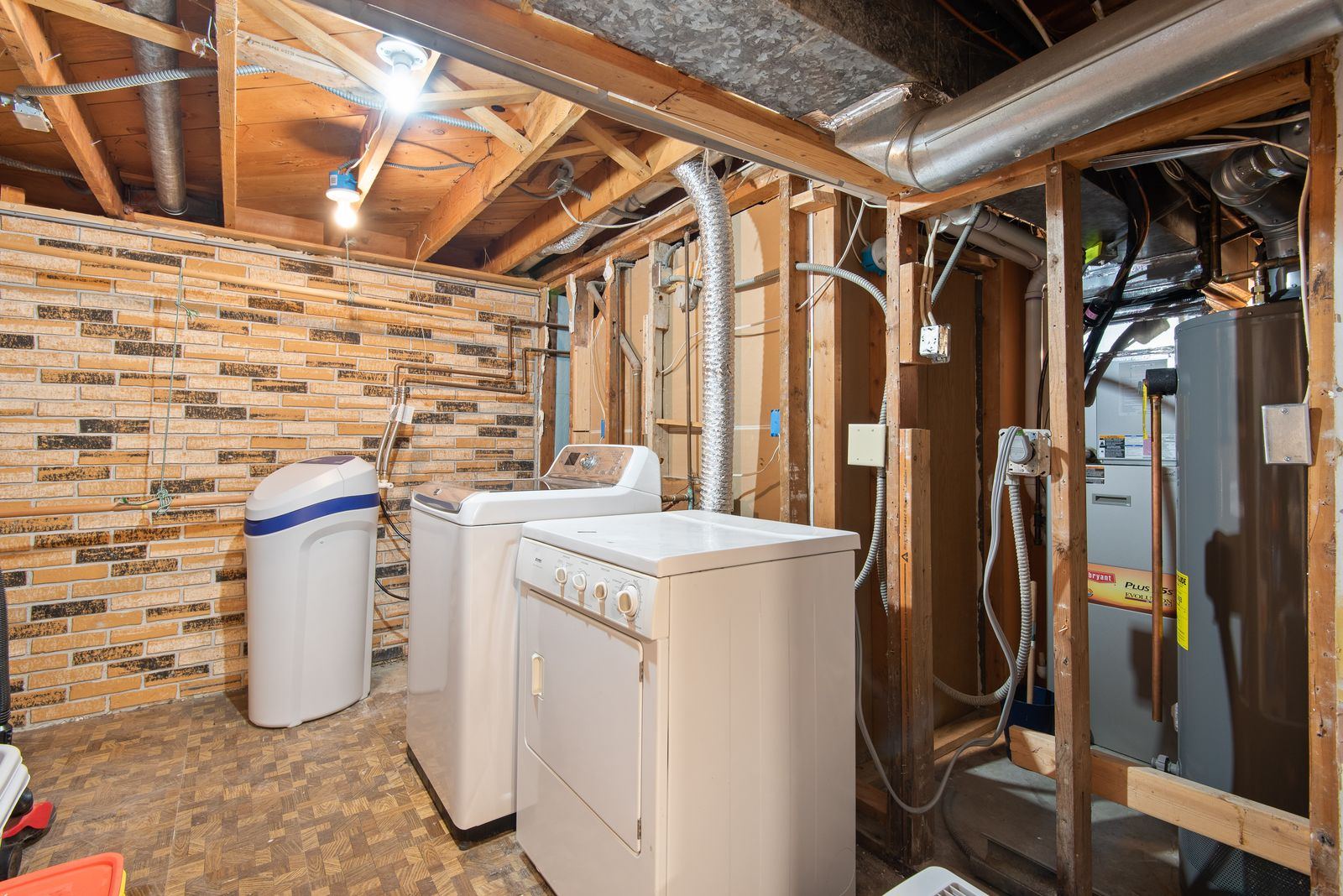
When to Call for Gas Water Heater Services
Most tanks announce trouble weeks or months ahead with rumbling noises, rusty water, or hot showers that keep getting shorter. If any of the following sound familiar, it's worth having the unit checked:
- Leaks at the drain valve, the fittings, or the bottom of the tank
- A silent heater with no flame and no hot water
- A vent pipe that has separated, rusted, or left scorch marks near the top of the heater
- Any smell of gas around the appliance, which calls for leaving and phoning the gas utility
- Showers that go cold sooner than they did a year ago
- A pilot light that will not stay lit
- Soot or scorch marks around the burner access door
- A tank that pops and bangs while it heats, a classic sign of sediment
Small Symptoms, Big Consequences
A little rust-colored water or a relief valve that drips now and then can be the first hint of a tank that is close to the end. If you notice any of these signs, contact St. Augustine Water Heater at (904) 335-6364 for a prompt inspection.
Talk to Us About Gas Water Heater Services
Call St. Augustine Water Heater for fast, reliable service.
Call (904) 335-6364 NowYour Gas Water Heater Services Questions Answered
Why This Job Calls for a Pro
Gas water heaters are among the riskiest appliances to work on without training, largely because you cannot see the biggest hazards. A fitting that is almost tight can seep gas for days before anyone notices. A vent connector that has lost its slope, or a flue partly blocked by debris, can let carbon monoxide spill into the house every time the burner fires, with no smell to warn you. And many repairs, including gas valve and heater replacement, require a permit and inspection in most areas. Relighting a pilot by following the label is something most homeowners can do; almost everything past that deserves a technician.
The value of calling a pro is certainty. We test instead of guessing, from thermocouple millivolt readings and burner flame checks to gas pressure at the valve and a draft test at the hood. Before we leave, every connection is leak-tested, the vent is confirmed to carry exhaust outside, and CO is checked. And because some gas heaters are not worth another repair, we give you a straight answer on repair versus replacement first, then handle either one with correct venting, gas piping, and the code items your installation requires.
How We Handle Gas Water Heater Services
Every visit follows a step-by-step method built around testing first and replacing parts only when the readings call for it. Here's exactly how a typical visit unfolds:
Find the Real Fault
Safety comes first, with a gas leak check and a CO reading. Then we measure thermocouple output, inspect the pilot and burner, read gas pressure, and test the vent's draft.
Clear Answers & Upfront Price
We show you what failed, explain why, and quote a firm price up front. If the tank is leaking or near the end of its life, we tell you so.
Expert Repair or Replacement
We stock the usual failure parts, so most repairs are done in one visit. When a new heater is the answer, we handle the gas connection, venting, and required safety items.
Verified Safe Operation
With the burner running, we check every gas joint for leaks, confirm the vent drafts properly, and verify the burner flame and water temperature before we leave.
Prevention Tips That Actually Help
A little routine care goes a long way toward keeping a water heater running well past its expected lifespan. Start with these practical measures our team relies on:
- Make sure your home has CO alarms that work, especially with gas appliances
- Choose a setting of about 120 degrees to balance comfort, safety, and efficiency
- Keep the area around the heater clear, especially of gasoline, paint, and solvents
- Keep the air intake at the bottom of the heater free of lint and dust
- Replace a spent anode rod before the tank itself starts to rust
- Flush a few gallons from the drain valve periodically to control sediment
- Check that the vent connector is secure and rising toward the chimney or flue
Comparing DIY and Professional Work
Some simple checks are fine to do yourself, but most water heater repairs benefit from professional tools, training, and experience. Here's a comparison:
| Factor | DIY Attempt | Professional Service |
|---|---|---|
| Diagnosis | Swap parts until the pilot stays lit | Instruments pinpoint the actual failure |
| Gas Leaks | No leak detection after the work | Every joint leak-tested before we leave |
| Venting & CO | Vent slope and connections overlooked | Vent secured with proper slope and clearance |
| Permits & Code | Permit and inspection often skipped | Code items installed as required |
| Sediment & Tank Care | Tank condition never evaluated | Sediment flushed, anode checked |
| Result | Temporary fix at best | Lasting repair, confirmed by testing |
Get Gas Water Heater Services Help Today
Every day a leak or a failing part goes unchecked puts more stress on the tank. Get St. Augustine Water Heater on the job today.
Call (904) 335-6364 TodayAreas We Serve for Gas Water Heater Services
We serve St. Augustine and its neighboring towns for gas water heater services, from quick same-day repairs to planned installs.